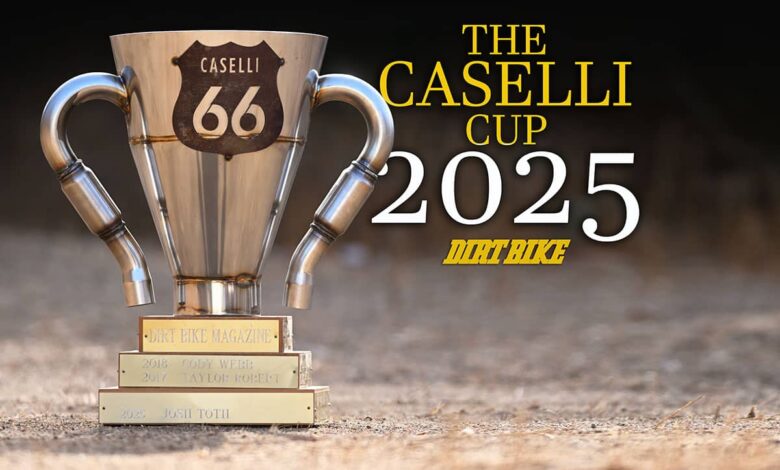
Who is America’s best off-road racer? That is, of course, an impossible question. But, we’ll answer it anyway. Each year we look at the grand picture of off-road racing in the U.S. to establish the national pecking order. This isn’t about last year alone. This is a snapshot of America’s talent, right now, at the beginning of the 2025 season and looking forward.
In order to come up with such an ambitious list, we look at each of the key championships—from the woods of the GNCC series to the wide-open spaces of the National Hare & Hounds. All the riders who race in the U.S. are eligible, regardless of nationality. On top of that, we consider those who represent the U.S. abroad. We give extra weight to the accomplishments of riders who compete in more than one championship, and we seek out opinions from throughout the sport and across the country. This year, once again, our eye in the east was Tyler Shepardson of the On the Pipe podcast. When the championships have concluded and our riders return home, we inscribe a new name on the Caselli Cup. That’s the perpetual award named for Kurt Caselli, the man who best exemplified the spirit of American off-road racing and who continues to influence our sport years after his departure. Here, then, are America’s top 25 riders, including the winner of the 2025 Caselli Cup.
1. JOSH TOTH
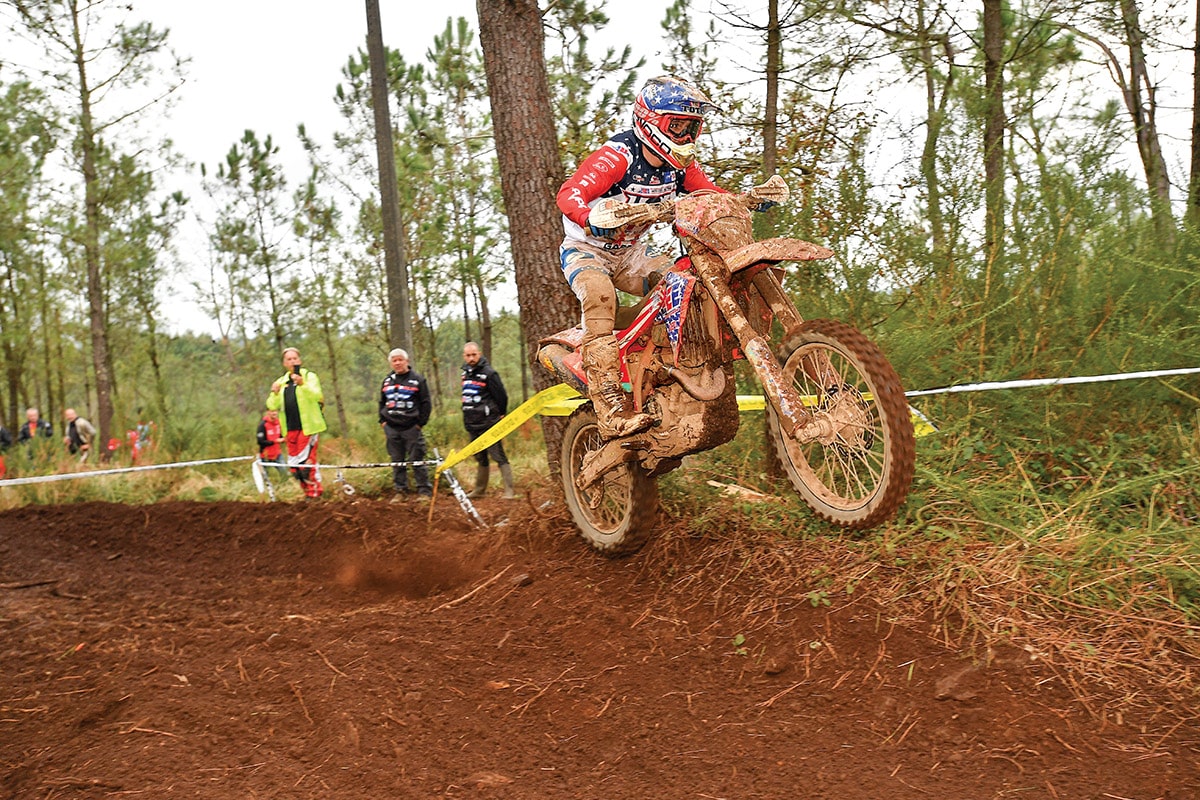
AMA National Enduro Champion, ISDE Gold, GNCC Overall Winner
If anyone is a perfect fit for this award, it’s Josh Toth. He dominated the 2024 AMA National Enduro Championship with seven overall wins. He became the first rider to win a GNCC overall from the second row. He was the top American at the International Six Day Enduro. And, he did it all as a privateer. Between those accomplishments, he found time to score points in the AMA Hard Enduro series, win a class championship in the J-Day series, ride a round of the FIM World Enduro Championship and even win an off-road race on an electric bike. All together, Josh rode eight different brands of motorcycles in 2024. Next year, he will stick to a factory Kawasaki on the Rocky Mountain Red Bear off-road team.
2. DANTE OLIVEIRA
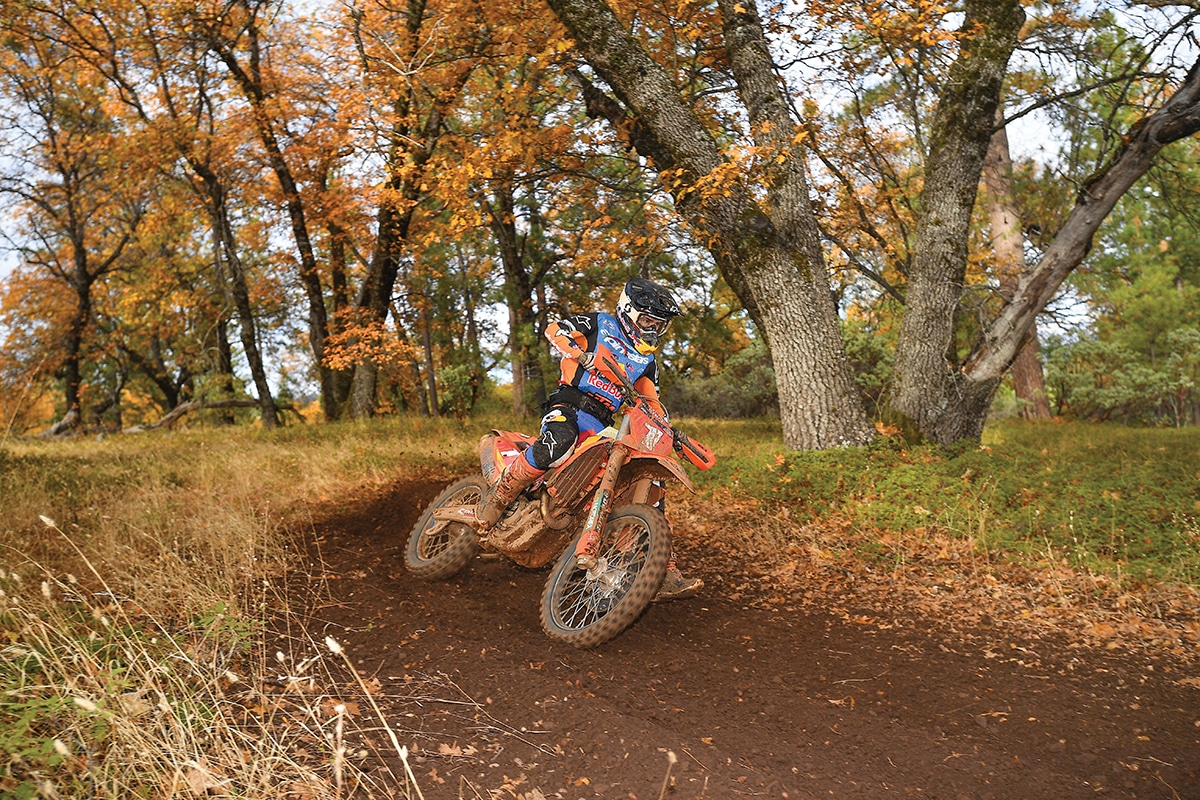
NGPC Pro Champion, West Hare Scramble Champion, ISDE Gold
No one in off-road racing has as much sheer speed as Dante Oliveira. After winning five consecutive NGPC Pro Championships, we now expect him to win every race in the west. We didn’t, however, expect to see him win a GNCC XC1 Pro race. Talk about going outside your comfort zone! Dante flew to a total of five GNCCs and won round four in Society Hill, South Carolina. He also dominated the West Hare Scramble series, but made it tough on himself by missing one round because of a mid-season injury. He ended the season by helping the U.S. Trophy team earn second in the ISDE.
3. JOHNNY GIRROIR
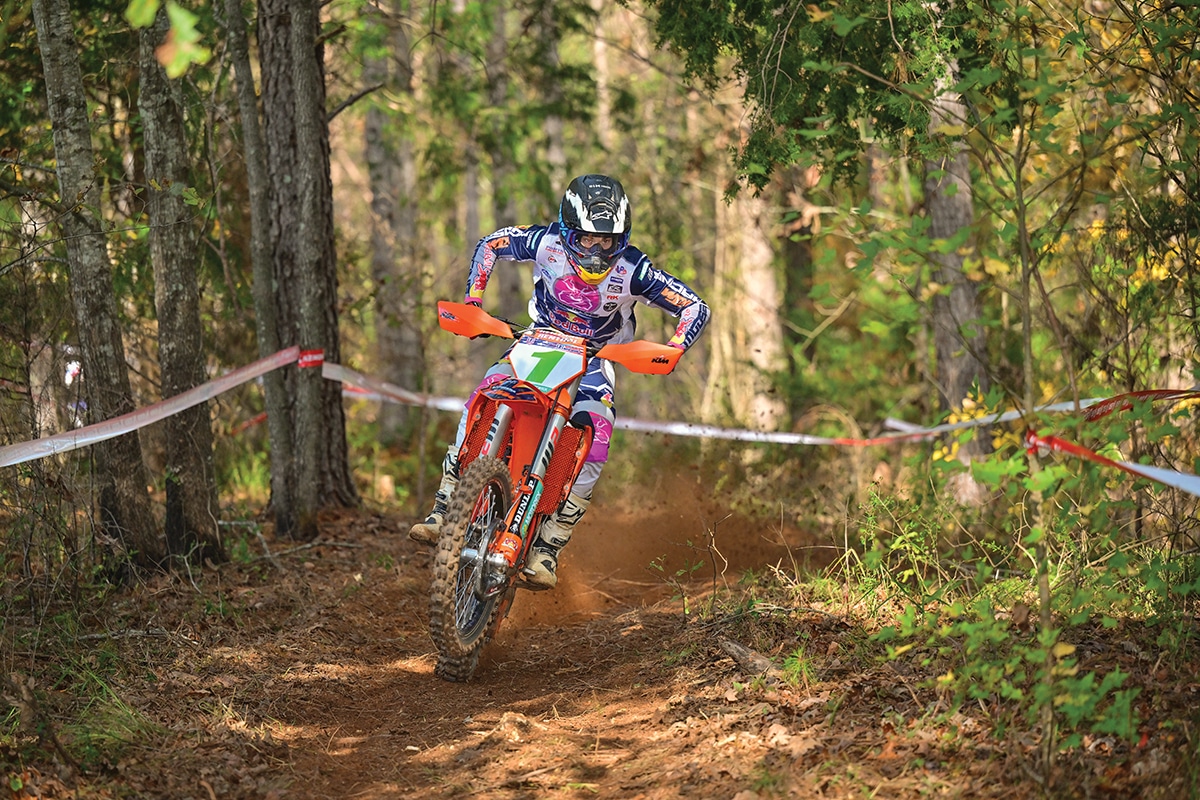
GNCC XC1 Champion, U.S. Sprint Enduro Champion, ISDE Gold
No one will contest that the GNCC series is the most prestigious off-road championship in America, if not the world. But, for years now, that series has been awaiting the next Kailub Russell—a dominant rider who truly defines racing in the east. Wait no more. Johnny Girroir has taken the crown and is unlikely to relinquish it any time soon. He also won all 16 rounds of the U.S. Sprint Enduro series, then helped the U.S. Trophy team to second place in the ISDE.
4. GRANT DAVIS
GNCC XC2 Champion, National Enduro Pro2 Champion, ISDE Gold
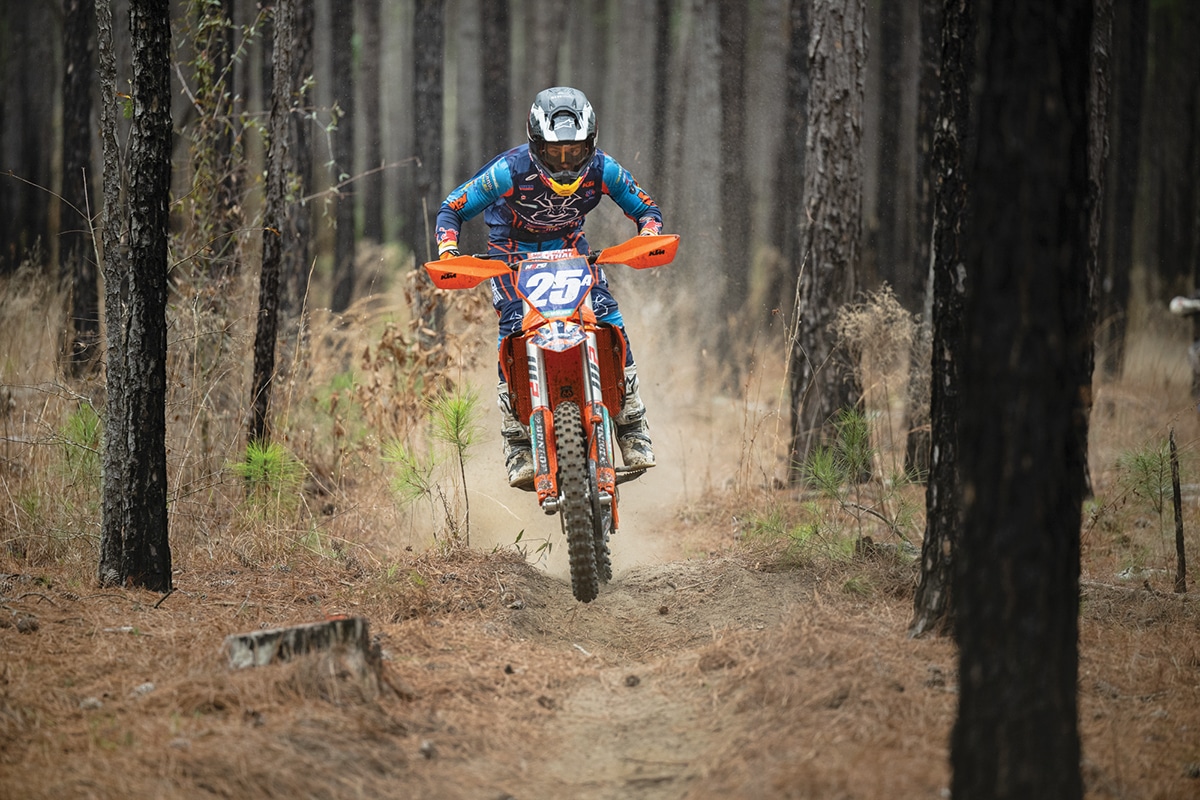
Grant Davis accomplished more before his 20th birthday than most riders do in a lifetime. Not to be outdone by Josh Toth, Grant became the second rider in GNCC history to win from the XC2 row. Then, two rounds later, he did it again! Along the way, he won the XC2 class easily, as well as the Pro2 class in the National Enduro series. In 2024 he made his second trip to the ISDE, where he led the U.S. Junior Trophy team to third and finished 11th overall in the individual results. He’s already one of the fastest riders in the world, and he’s still getting better.
5. TRYSTAN HART
U.S. Hard Enduro Champion, EnduroCross Champion
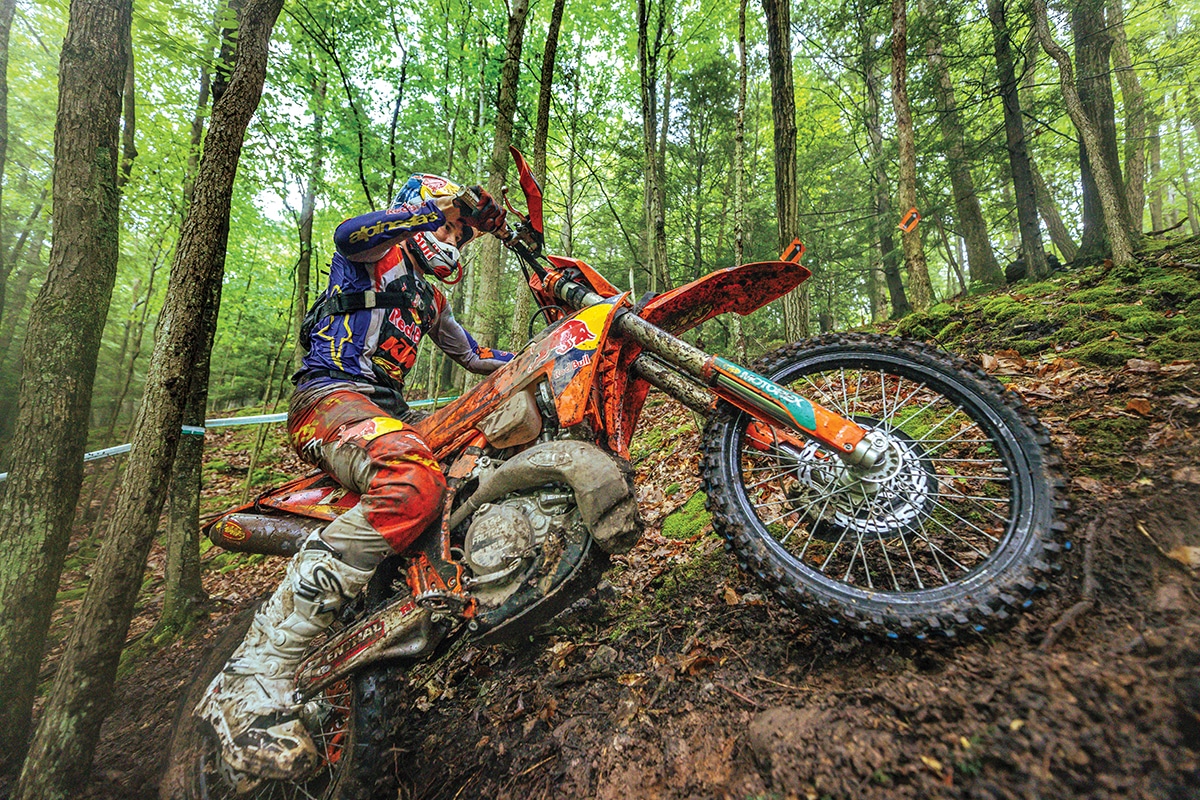
When you watch Trystan Hart ride, it’s difficult to keep your mouth from falling open. He’s just amazing. The young Canadian has emerged as the best EnduroCross rider, as well as the best Hard Enduro rider in North America, and it’s clear that he wants more. At this year’s Erzbergrodeo, Hart fell in the first turn and still managed to pass every rider—except one. In 2025, Hart will set his sights on becoming the best Hard Enduro rider in the world.
6. RICKY BRABEC
2024 Dakar Rally Winner
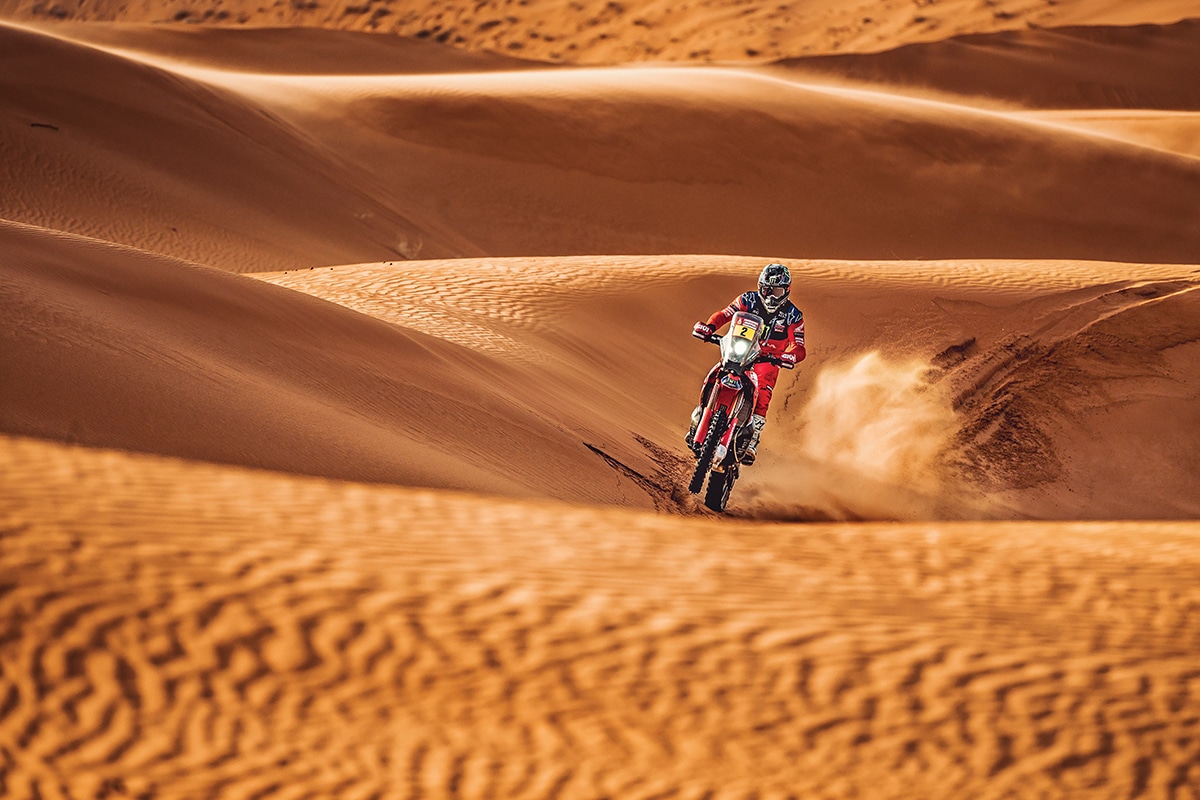
Ricky is now the best rally rider in the world. He proved that with his second Dakar win in 2024, and he will doubtlessly prove it again. Our only complaint is that we want him back! Ricky rarely races in the U.S. At the Mint 400, he teamed up with Skyler Howes and Preston Campbell to win, but we’ve otherwise seen little of him stateside. Ricky will be fighting an uphill battle against a recent injury in the 2025 Dakar Rally in the next few weeks. No one is betting against him.
7. DARE DEMARTILE
WORCS 450 Pro Champion, NGPC 450 Pro #2
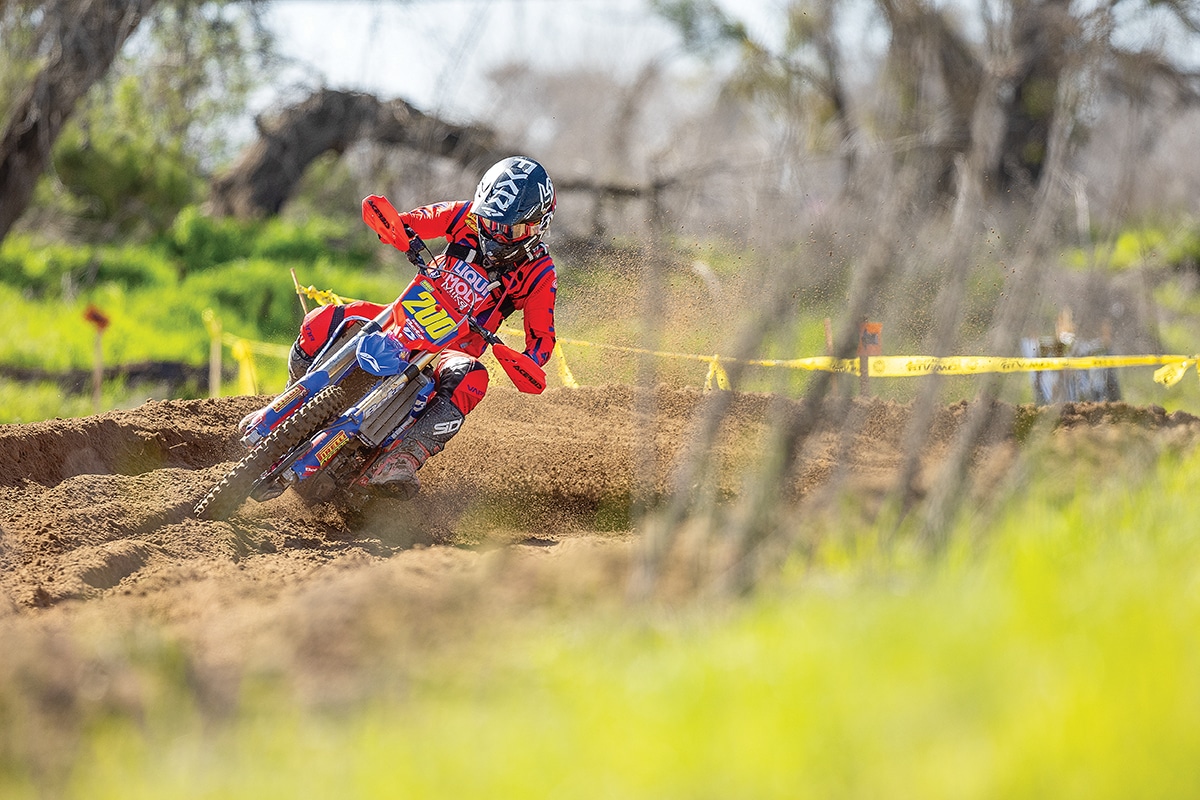
Six years ago, Dare was racing pro motocross with promising results. Then he ventured into the off-road racing world and was hooked. His results improved year by year until 2024, when he won the WORCS Pro 450 Championship with an impressive five race wins. In NGPC, he’s one of the few riders who can go head to head with Dante Oliveira.
8. ZANE ROBERTS
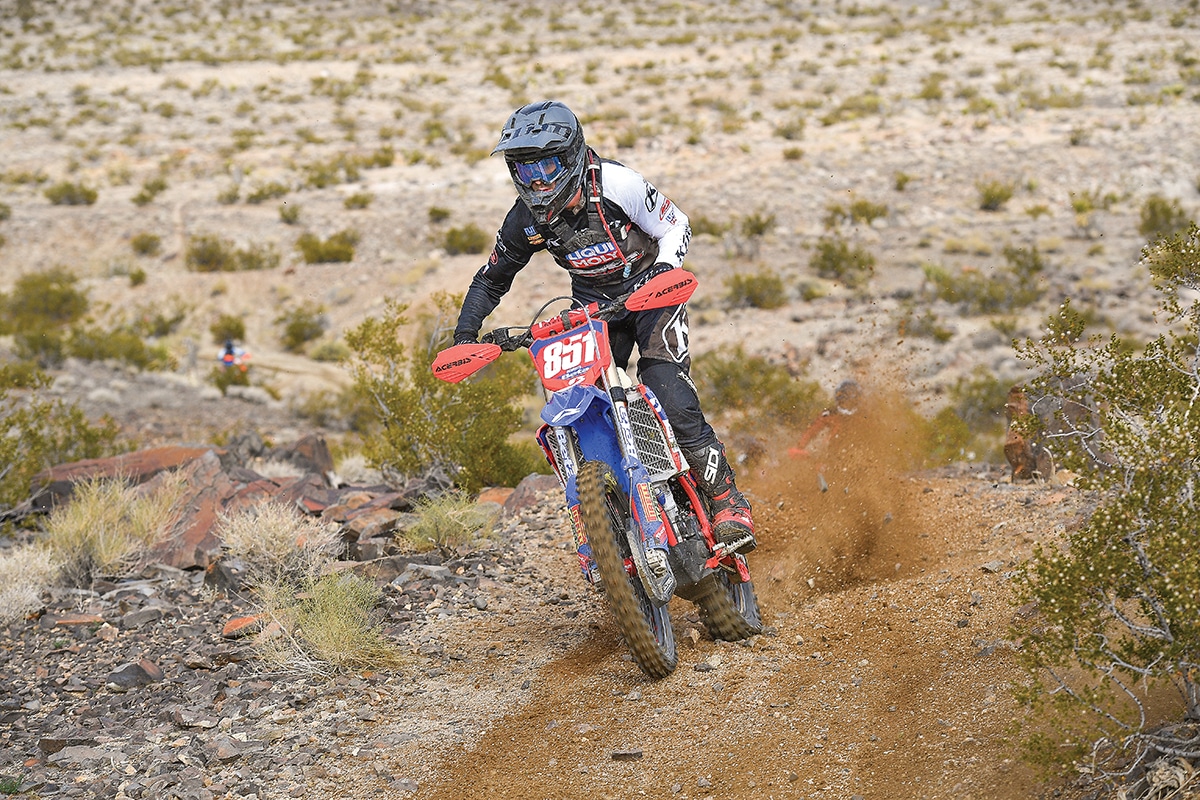
AMA National Hare & Hound Champion, AMA West Hare Scrambles #4
Zane is one of those riders who is always there, always ready to pounce. He won the 250 Pro class in the National Hare & Hound series back in 2019, and since then he has been getting closer and closer to the big prize. Finally, he became the overall champion in 2024. It won’t be his last.
9. STEWARD BAYLOR
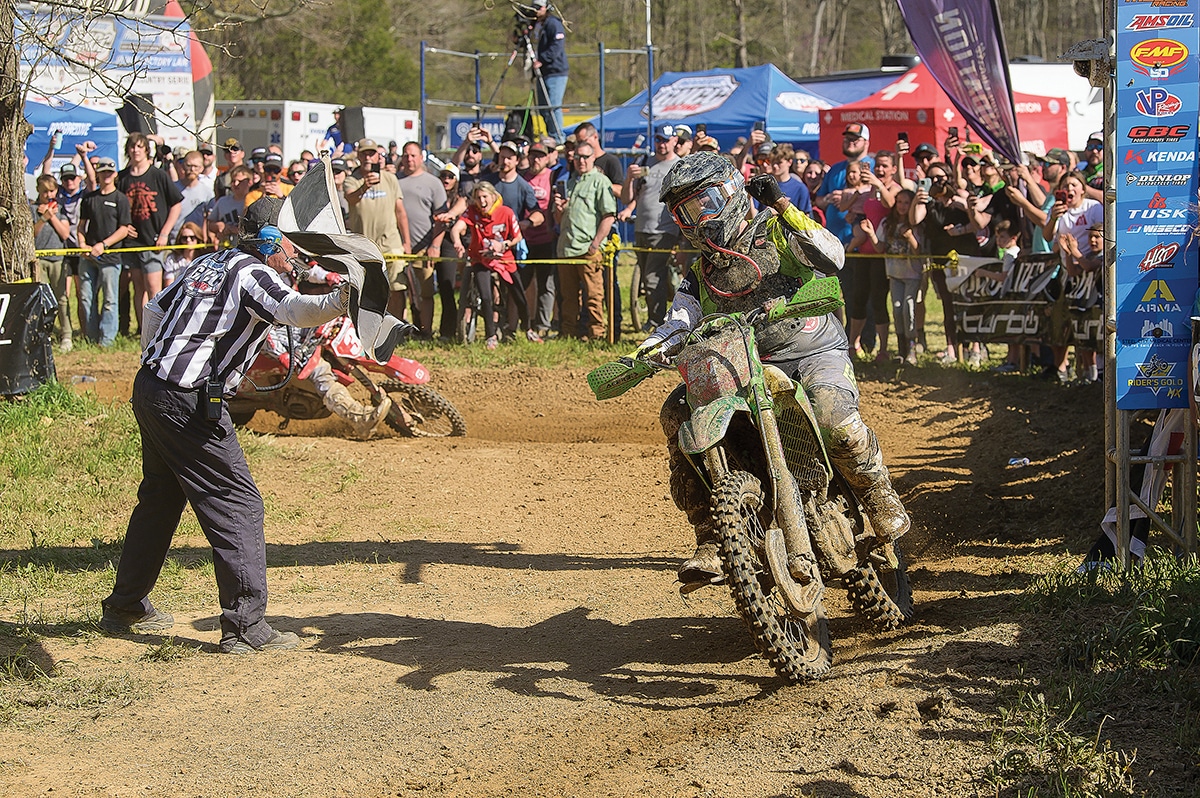
GNCC XC1 #3, AMA National Enduro #2
Steward took on the absurdly difficult challenge of being a team owner, as well as its star rider, in 2024. He made it work well enough to earn third in the XC1 class himself, as well as putting Rachel Archer on top of the WXC Pro class. In 2025, Red Bear Racing will be the official factory Kawasaki team, and Steward’s double role will be even more challenging. If anyone can do it all, he can.
10. JORDAN ASHBURN
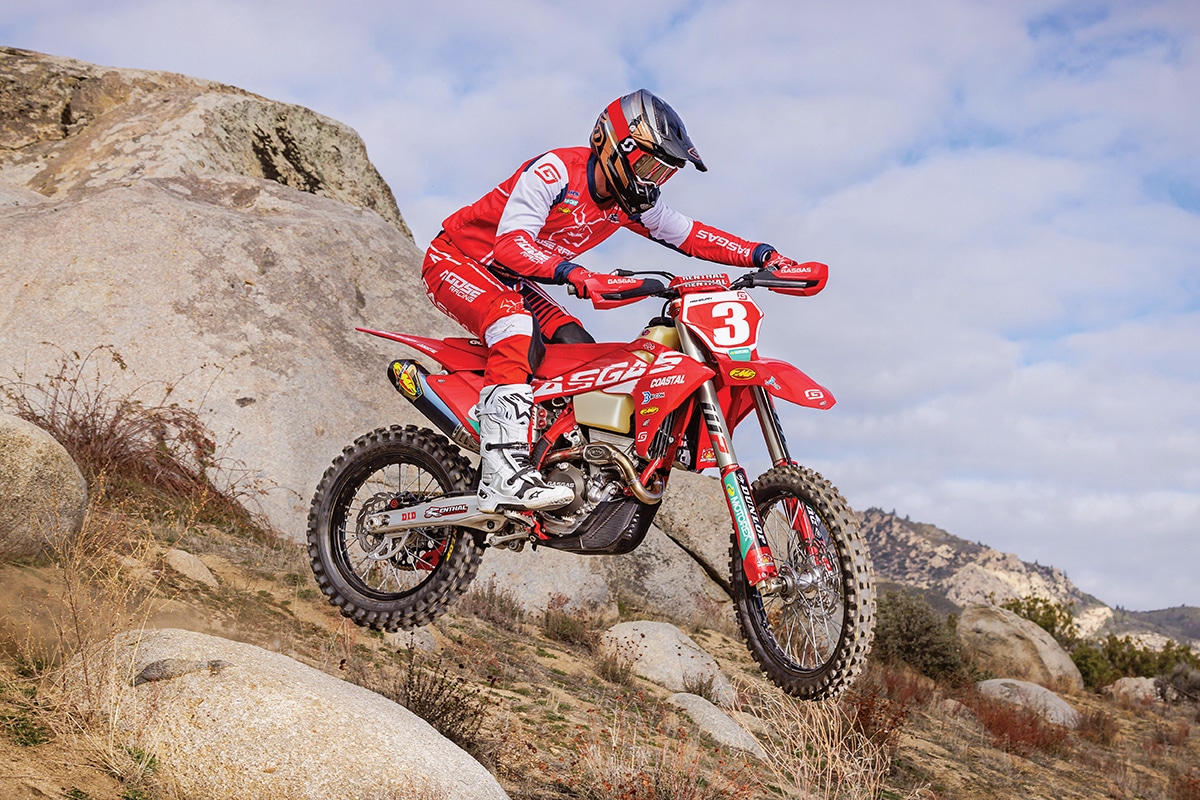
GNCC XC1 #2
After 15 years of racing at the highest level, Jordan Ashburn is only getting better. He proved that the championship he earned in 2022 was not a fluke by being just as fast and just as consistent as ever in 2023 and 2024. He won rounds 11 and 12 at the end of last season and is now in the top five on the list of winningest active riders.
11. MASON SEMMENS
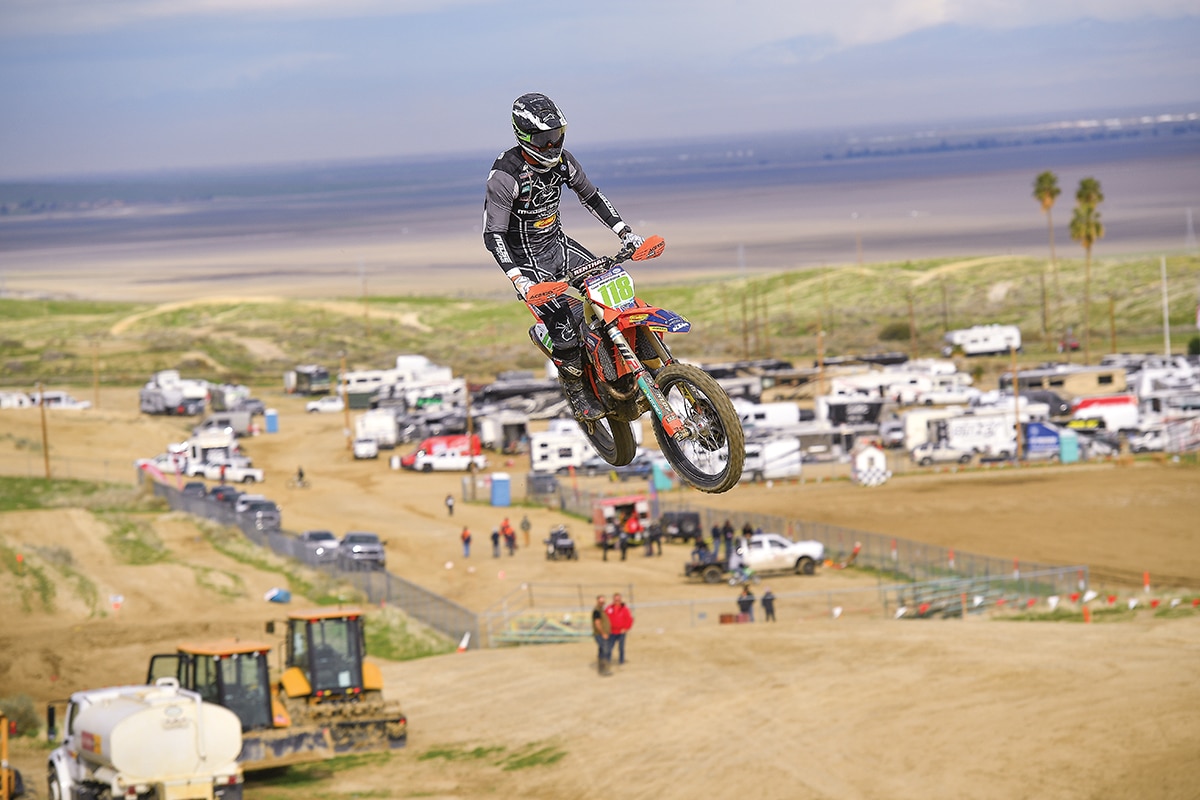
NGPC Pro2 Champion, WORCS 250 Pro Champion
Mason has been busy since coming to America from Australia. He raced two seasons of GNCC in the XC2 class, then turned his attention to the west. The terrain must suit him well. He won six WORCS 250 Pro races and six NGPC Pro2 races to become a double champion.
12. CRAIG DELONG
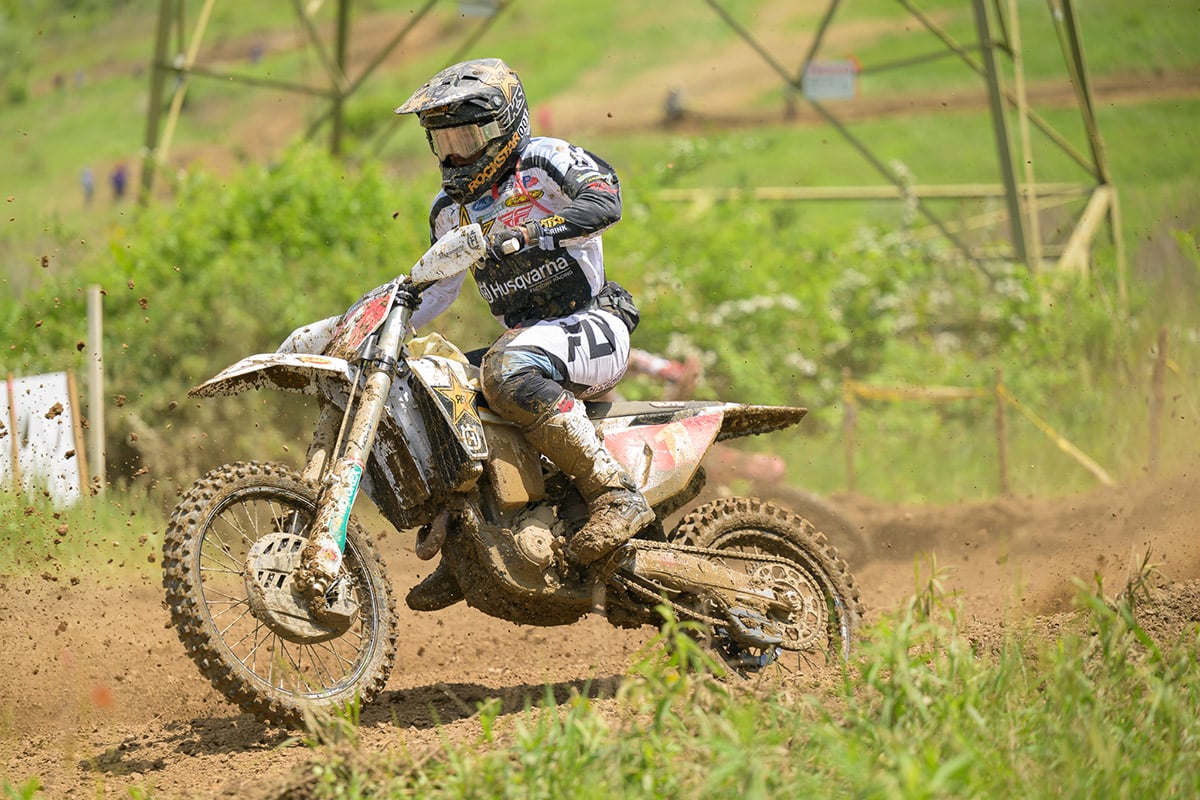
GNCC XC1 #4, Sprint Enduro #3
Craig DeLong had great results in 2024, winning two GNCC XC1 races and earning multiple podiums in the U.S Sprint Enduro series. But, for him, it was a disappointing defense of his 2023 XC1 Championship. It started with a few unlucky races and ended with a broken hand and surgery. Craig will be back with Husky and aiming to make up for lost time in 2025.
13. ANGUS RIORDAN
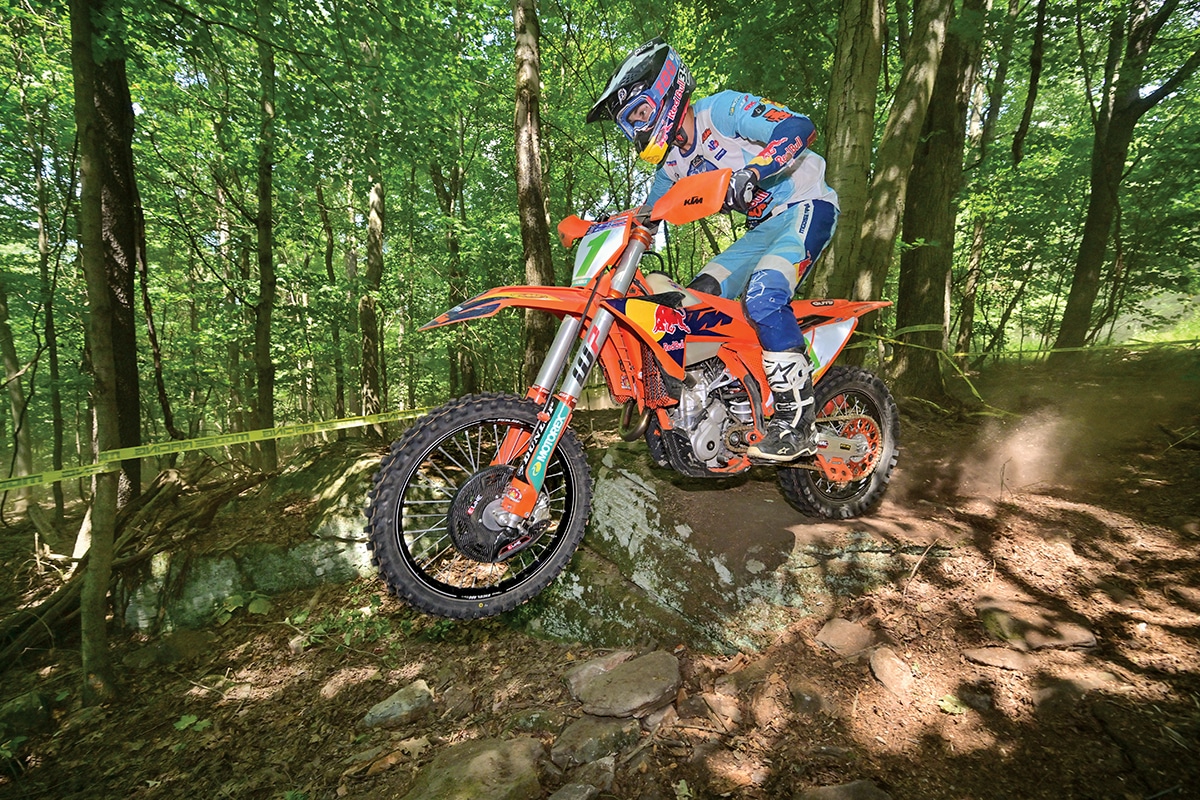
GNCC XC2 #2 U.S. Sprint Enduro 250 #1
Angus Riordan has been on the verge of a championship for several years, and this year he earned the top 250 po-sition in the U.S. Sprint Enduro Championship. For two years he’s been a frustrating second in the GNCC XC2 class. No matter who he races, he’s tough and persistent, so if you beat Angus Riordan to win a national title, one thing is certain: you earned it.
14. CODY BARNES
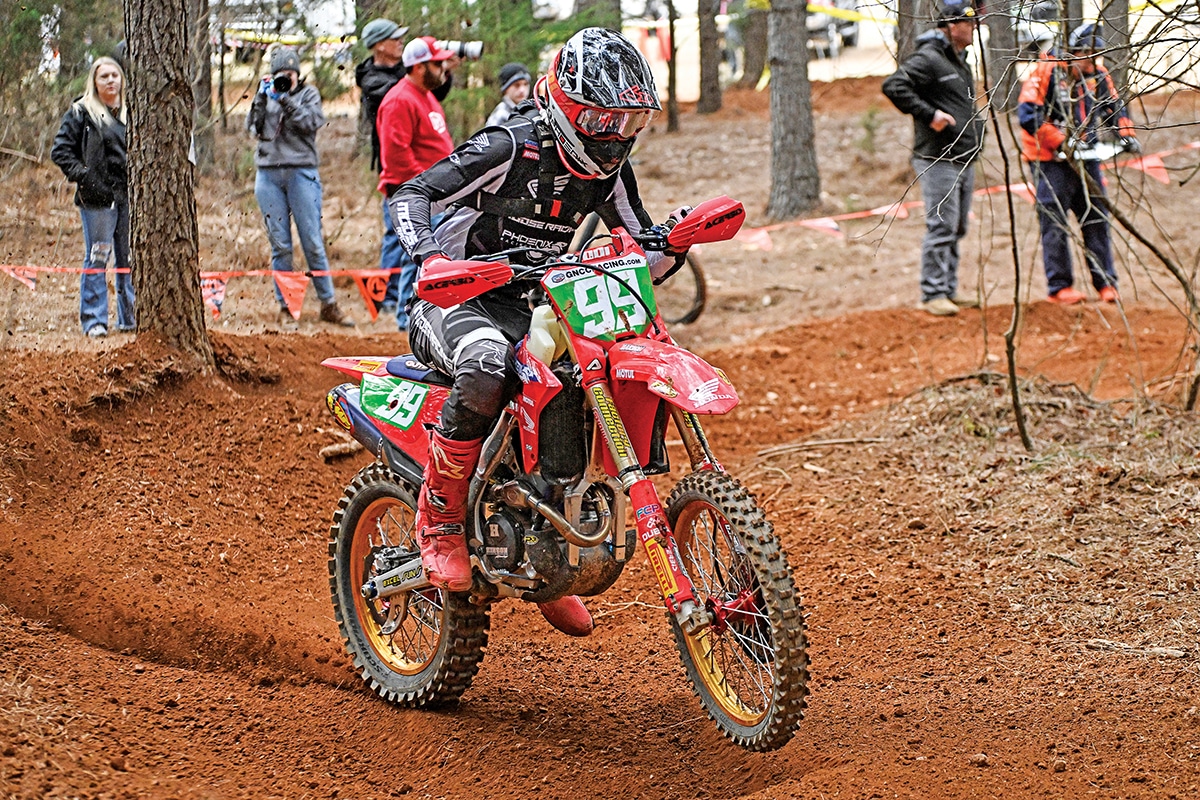
GNCC XC2 #3, ISDE Gold, U.S. Sprint Enduro #6
After serving on the 2022 U.S. Junior Trophy team, Cody Barnes was called up to the premier Trophy team in 2024 where he helped the U.S. earn second place by finishing fourth in the E1 category. Stateside, Cody has been waving the flag for the Phoenix Honda team in the GNCC XC2 class, as well as in the U.S. Sprint Enduro series.
15. MATEO OLIVEIRA
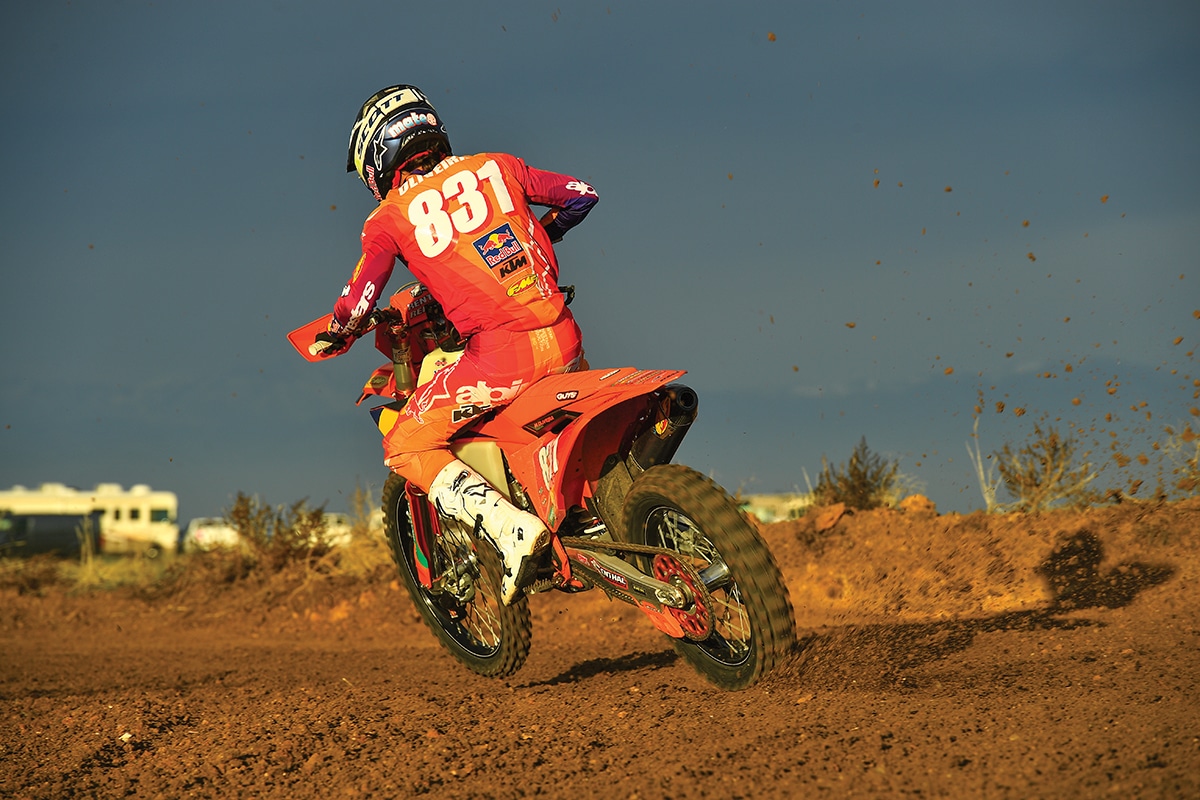
NGPC 450 Pro #4, AMA West Hare Scrambles #3, ISDE Gold
Being the little brother to Dante Oliveira is a mixed blessing. On one hand you get to learn from the fastest rider in the west, but on the other hand, you’re in the same class at most of the same races. Mateo withstood the family pressure and expectations to carve out impressive results of his own and help the U.S. Junior Trophy team finish third in the ISDE.
16. GIACOMO REDONDI
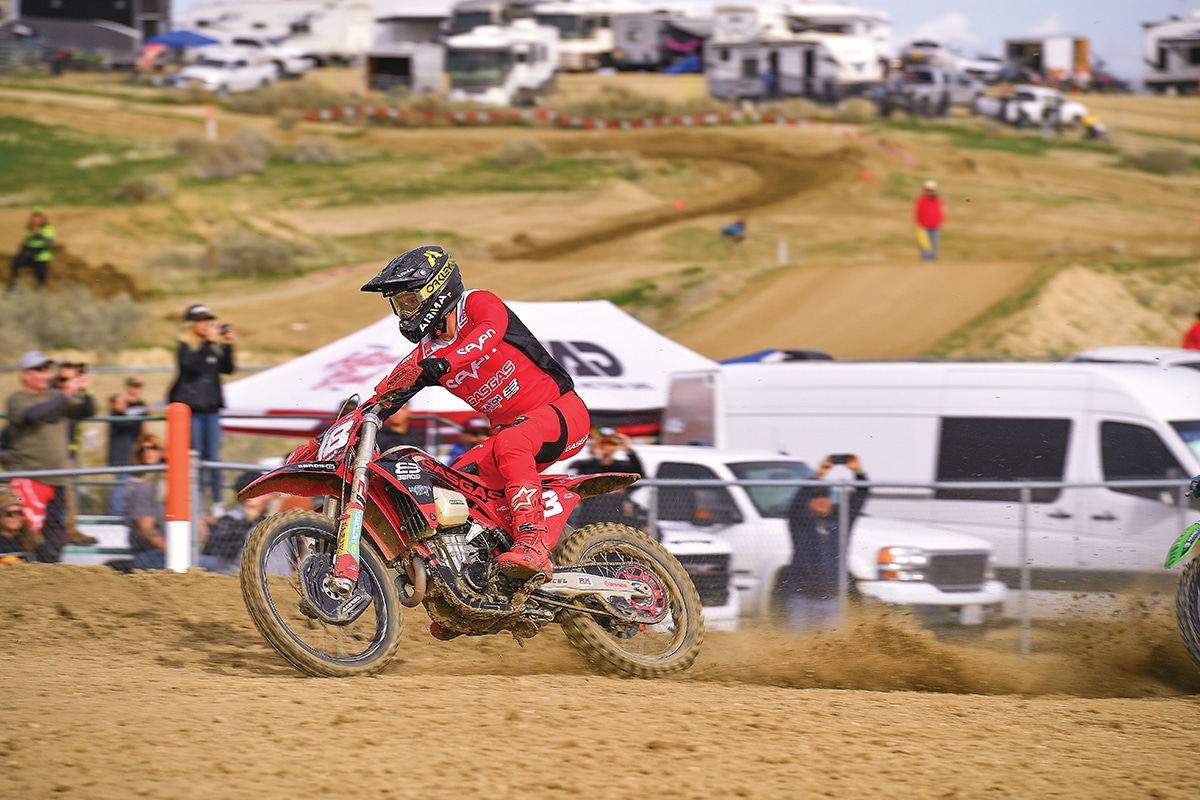
NGPC 450 Pro #6, AMA West Hare Scrambles #2, AMA H&H #10
In his first few years stateside, Giacomo won the Pro WORCS title followed by an AMA West Hare Scrambles Championship. Then he settled into a pattern of spotty flashes of brilliance across many different venues. This year the Italian came within a few points of capturing another Hare Scrambles Championship and even had a standout performance in the World Vet MX Championship.
17. GRANT BAYLOR
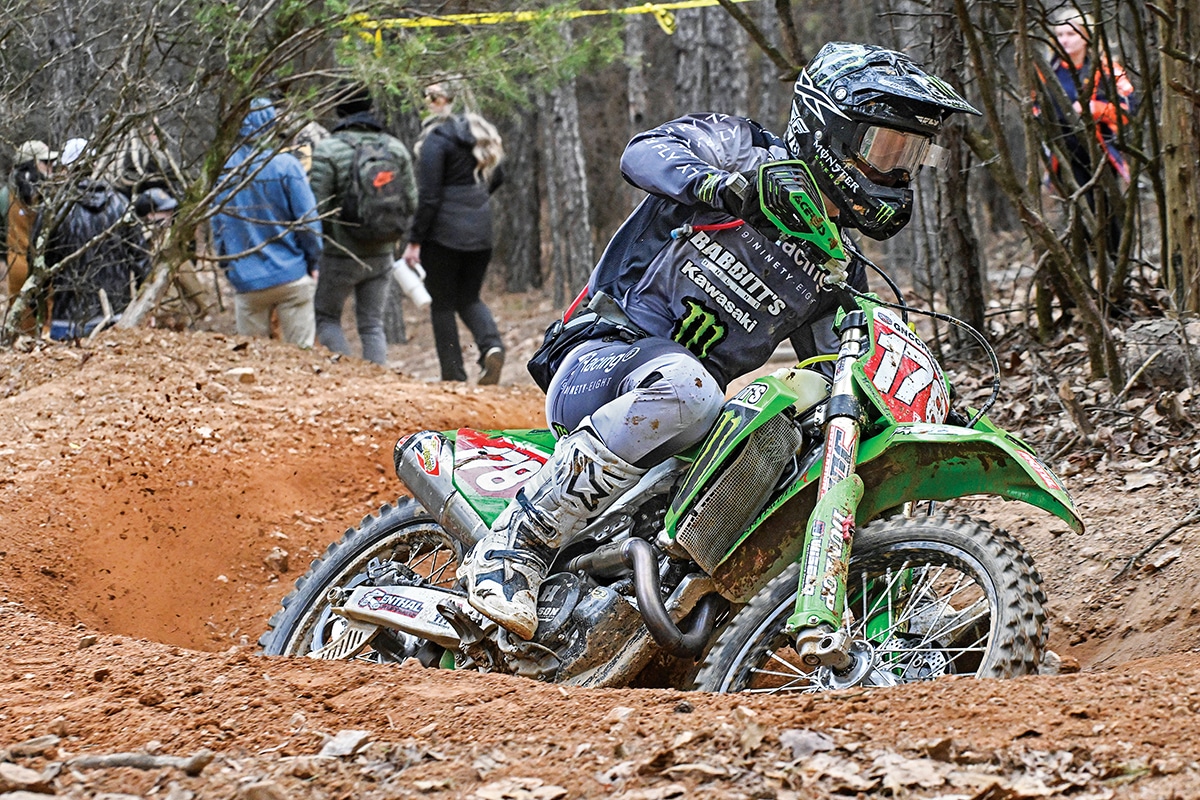
GNCC XC1 #7, AMA National Enduro 6th
Any other rider would be delighted to finish on the podium as many times as Grant Baylor did in 2024. But, it was a tough year for the defending National Enduro champion. Grant started off well, but missed much of the season due to injuries. Next year he gets a clean slate and will be on the Red Bear Factory Kawasaki team.
18. EVAN SMITH
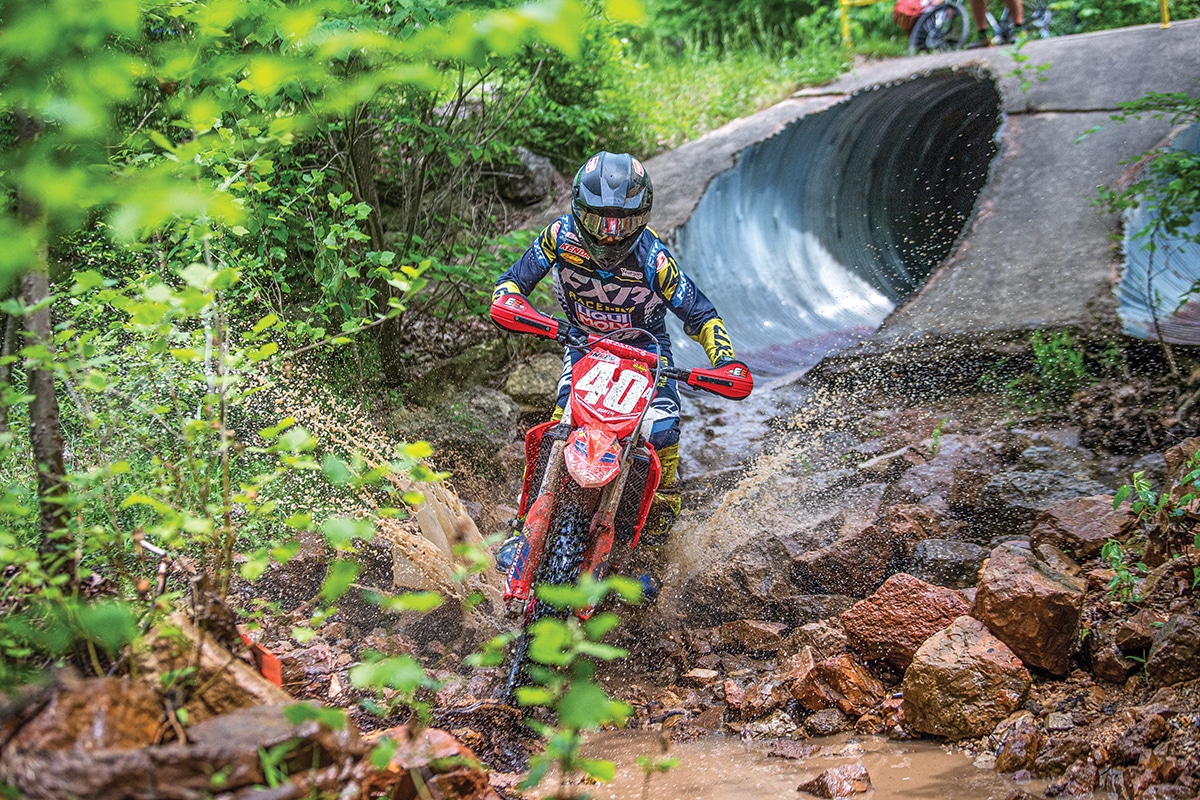
GNCC XC1 #6, AMA National Enduro #3
Privateer life is hard at the highest level of off-road racing, but Evan Smith manages to finish ahead of factory-supported riders almost every time he races—and he races a lot. The Georgia rider always punches above his weight and is a sure bet for podium finishes in 2025.
19. AUSTIN WALTON
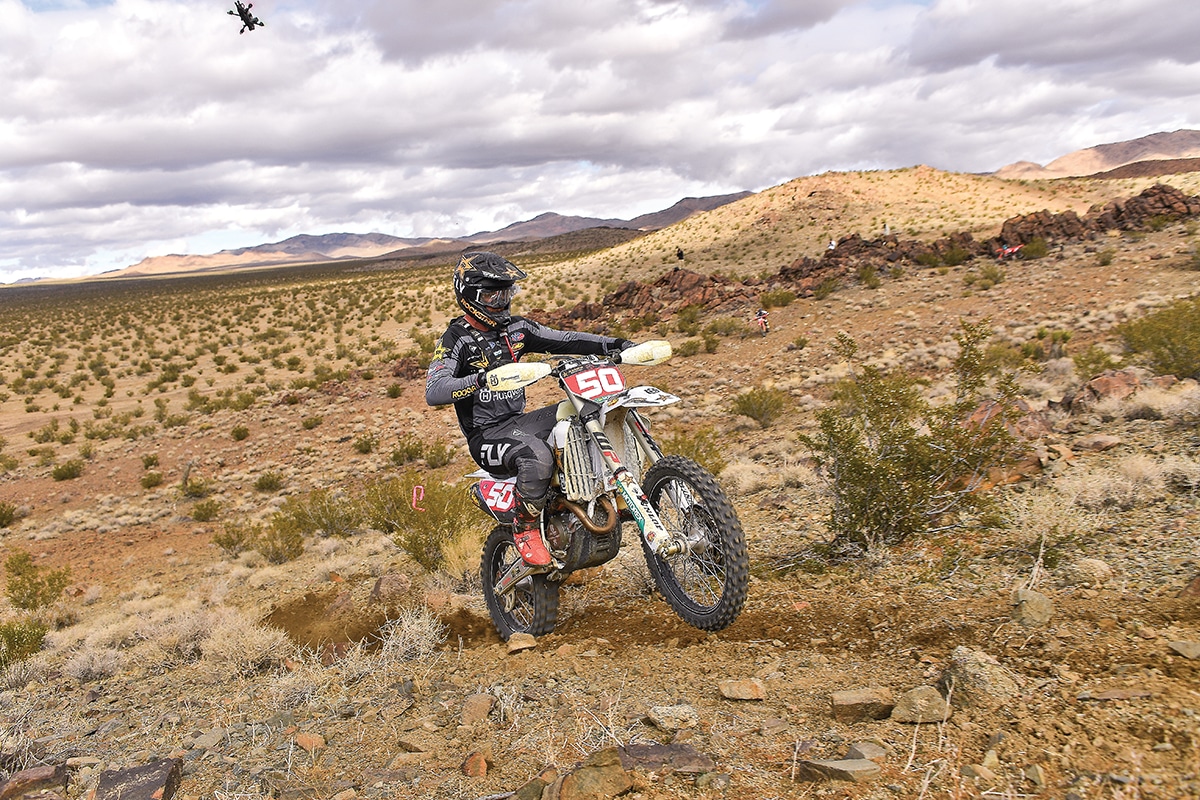
NGPC 450 Pro #3, AMA Hare & Hound #2
No two forms of racing are farther apart than motocross and desert racing. But, Austin Walton has successfully re-cast himself as a full-time off-road guy, and his performance in the 2024 AMA National Hare & Hound series proves it. Austin stepped up to the plate for the Rockstar Husqvarna team this year and put results on the board when they needed it most.
20. DALTON SHIREY
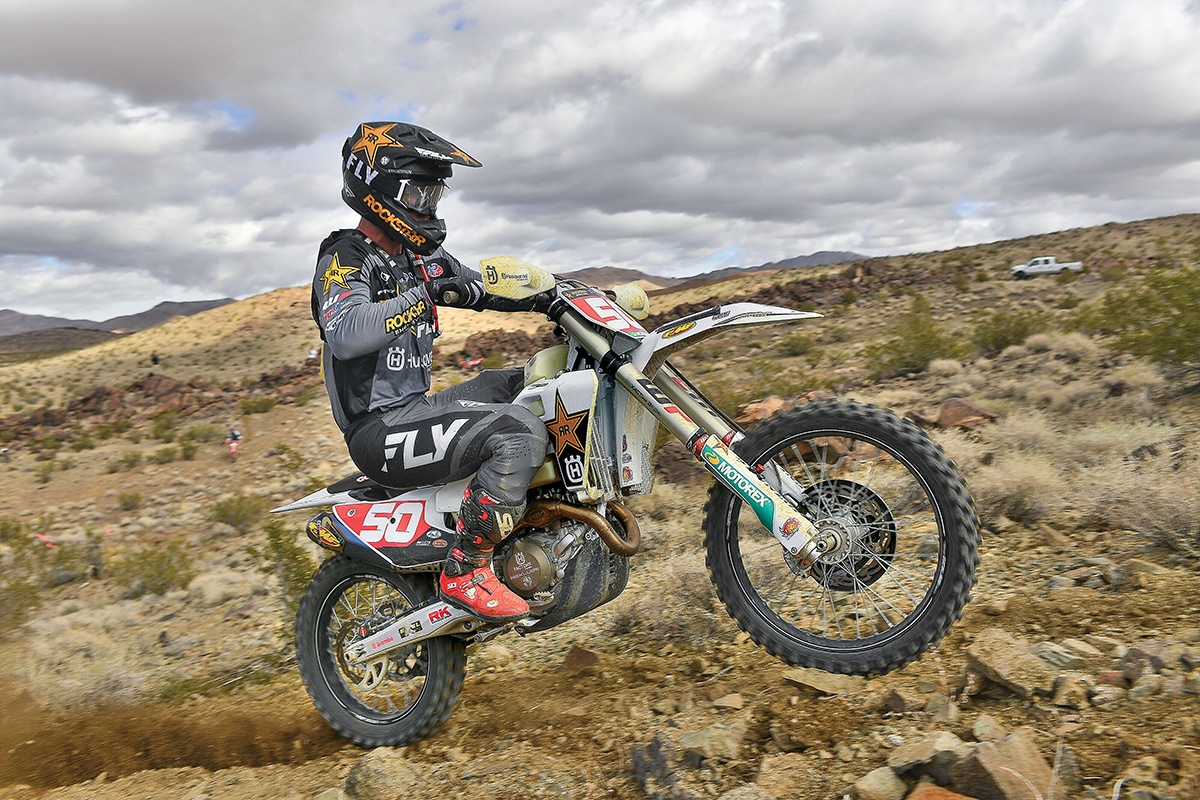
AMA National Hare & Hound #5, NGPC Pro #10
Dalton won the first race of the 2024 National Hare & Hound series and the last. Everything in between was tough. He was injured in April and had a long, slow fight to return to form. For 2025, he will be on a Husky in his bid to regain the Hare & Hound Championship.
21. BRANDY RICHARDS
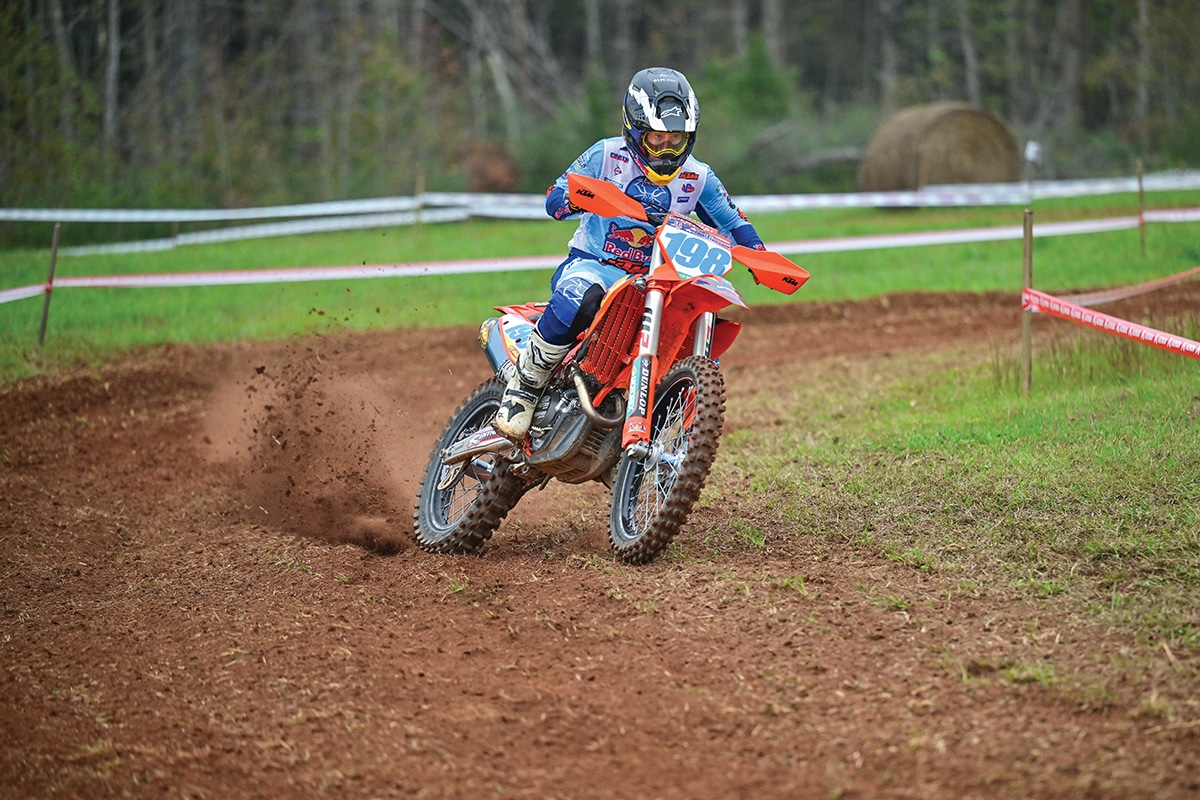
ISDE Gold, GNCC XCW #2, U.S Sprint Enduro Women’s Pro #1
We’re used to seeing Brandy Richards lead the U.S. women to victory in the ISDE. We didn’t expect to see her go toe to toe for the GNCC WXC Championship. In 2024, she left her home in the Arizona desert to race a season in the east, where she won a U.S. Sprint Enduro number-one plate and matched Rachel Archer in GNCC race wins. After that, she once again did her magic at the ISDE. Wow.
22. RACHEL ARCHER
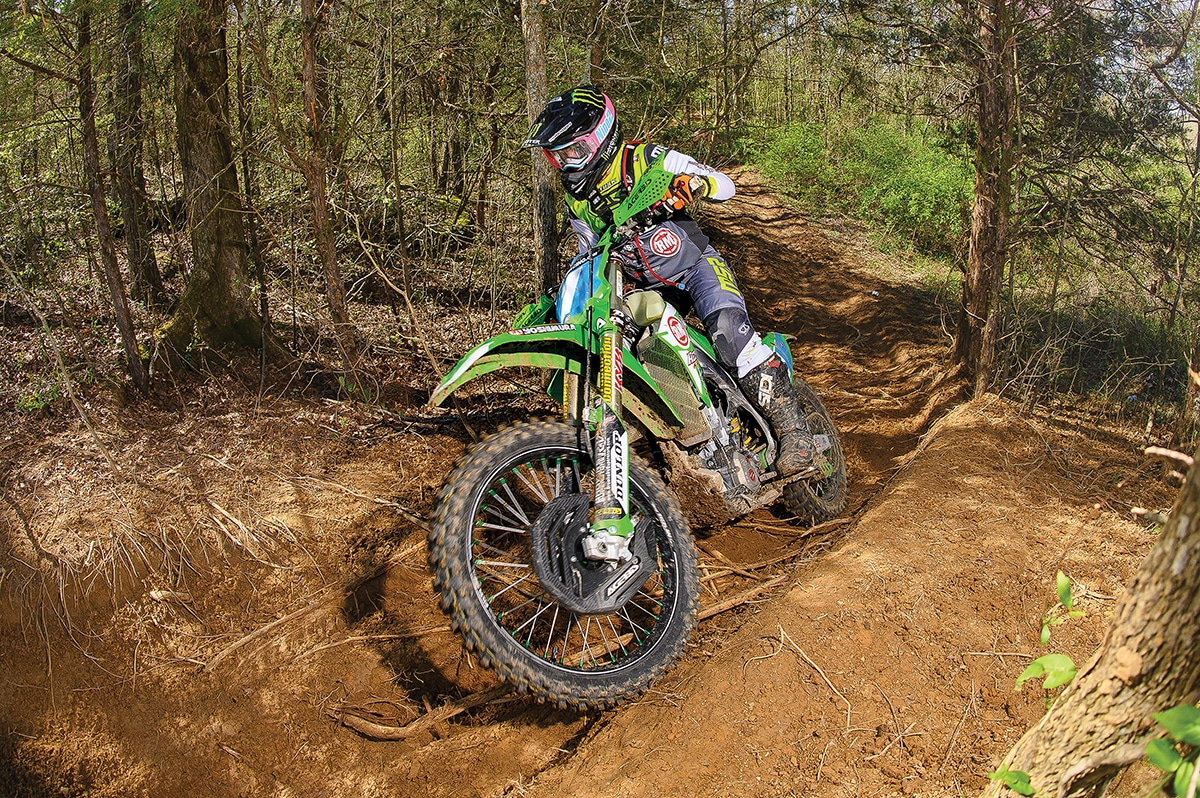
GNCC XCW Champion, National Enduro Women’s #1
Rachel Archer is a force to be reckoned with. She switched teams for 2024 and had to come to terms with a new bike and a new program. That didn’t stop her from winning her third consecutive GNCC WXC Championship. The addition of Brandy Richards to her class simply made Rachel up her game. At the ISDE, Rachel rode for New Zealand and kept the U.S. from sweeping all the tests.
23. COLTON AECK
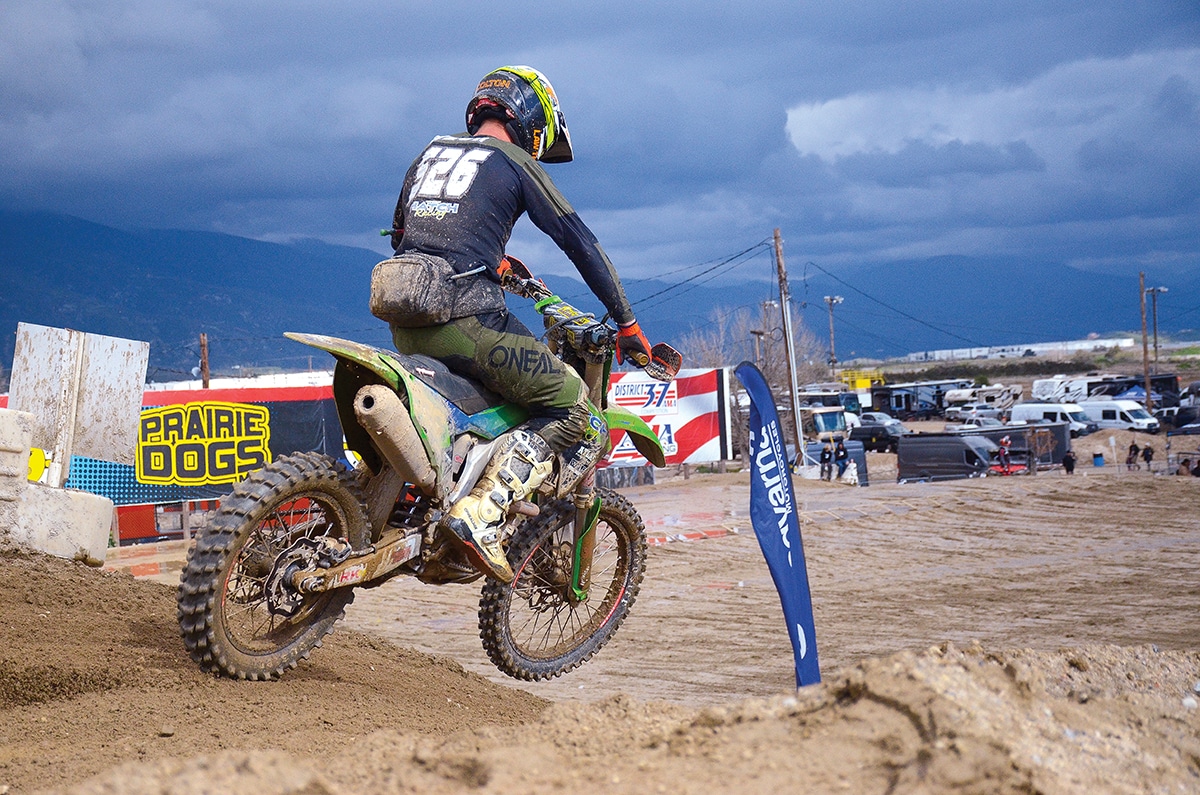
NGPC 250 Pro #2, WORCS 250 Pro #2
Colton Aeck has become the wily veteran of the western off-road racing world. He has won his share in WORCS and NGPC, plus he often comes out swinging in local events like SRA and the Glen Helen Endurance series. For 2024, he continued to be a formidable obstacle for anyone hoping to make a mark in the west.
24. RACHEL GUTISH
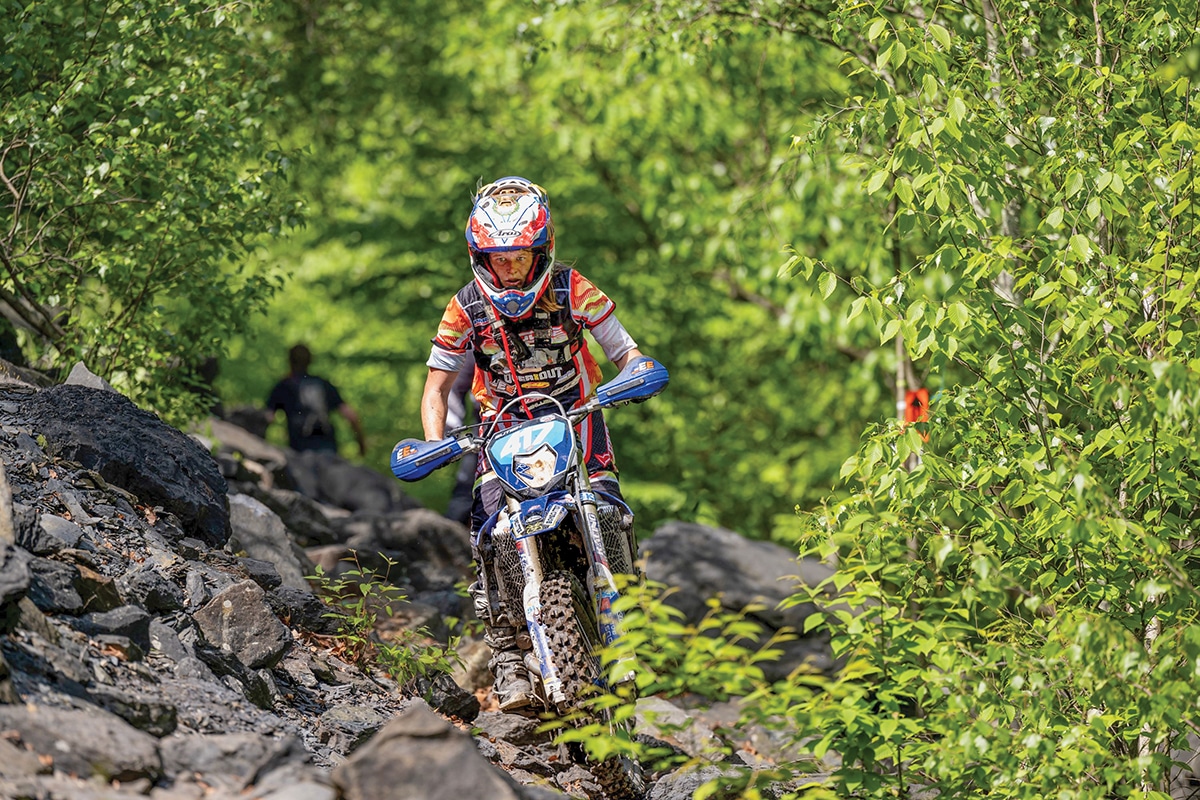
FIM Women’s Enduro GP #2, U.S. Hard Enduro Women’s #1, ISDE Gold
Rachel Gutish is everywhere. She did a half season of the GNCC WXC class, won the Tennessee Knockout in the Woman’s Pro class, went to Europe to race the FIM World Enduro Championship, came home to win a couple rounds of the AMA National Enduro Woman’s Elite class, went to Europe to win a round of the FIM E-Xplorer series, then helped the U.S. women’s team win the ISDE. We’re exhausted just watching her.
25. COLE MARTINEZ
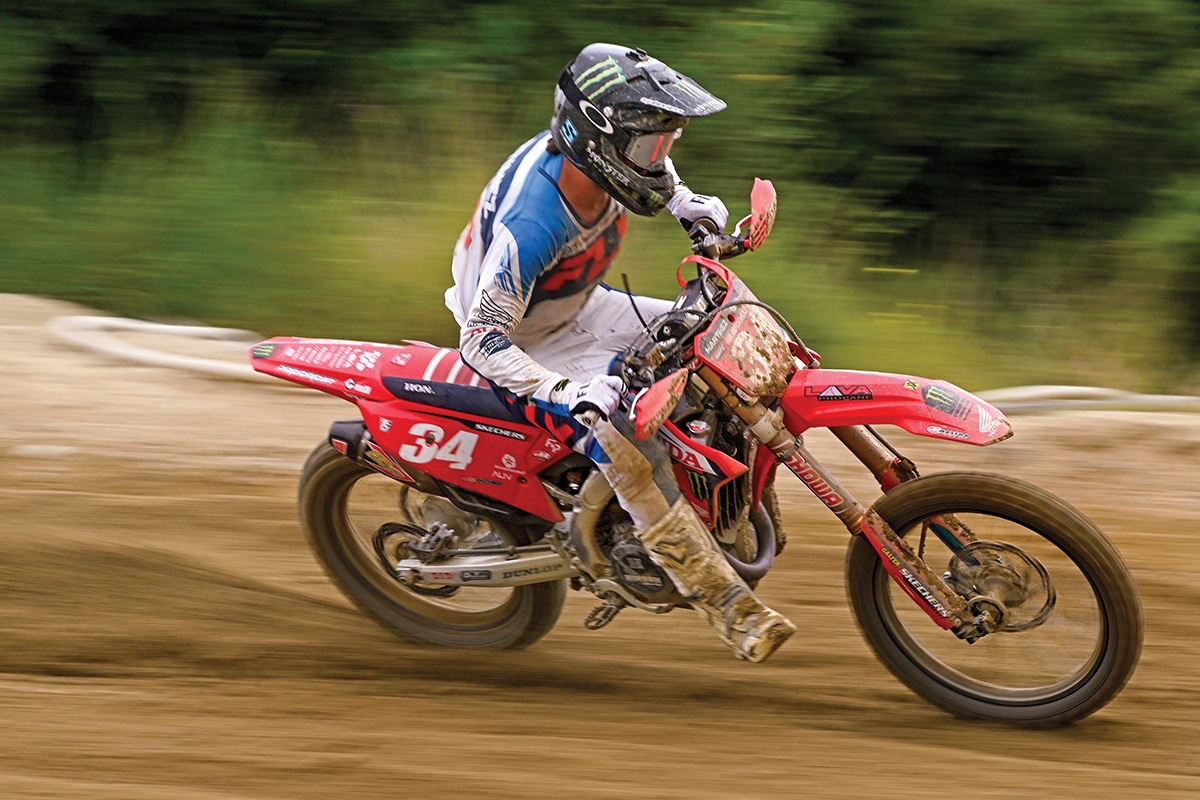
NGPC 450 Pro #5, WORCS 450 Pro #6
Cole made a mid-year switch from the SLR Honda team to a Twisted Development Yamaha in order to ride the Loretta Lynn Amateur MX Championship. He won a moto in the +25 A class there, but missed the final rounds of NGPC and WORCS. For 2025, his plans are still unclear, but we feel certain he can’t stay away from off-road for long.